
Several people have asked me about what I buy and where I shop for “real food”, so I decided to compile a list of resources and provide some definitions. Much of my nutritional beliefs align with those of the Weston A. Price Foundation, which advocates “traditional” diets and eschews all highly processed foods. More on what “traditional” diets and “real food” mean after the list.
What exactly is “real” food and a “traditional” diet?
With the understanding that diets are like religious beliefs (there are hundreds of them and people have strong convictions about them!), I try to offer my beliefs as to what constitutes real food.
- Nutrient-dense– high quality plant and animal products which contain many macro as well as micronutrients
- Grown or raised harmoniously with Nature- Plants: organically grown (or better), farming practices that demonstrate mindfulness for the soil microbiome; Animals: allowed to live as close to their natural habitat and behaviors (diet, freedom to move, natural behaviors like foraging)
- Minimally processed/As close to whole as possible- a certain amount of processing is often needed to make foods more nutritious (fermentation, soaking, e.g.), but keeping the ingredient raw and whole allows us to benefit from all the nutrients (e.g. eat an apple rather than drink apple juice)
- Traditional food refers to foods that can be prepared in a kitchen, and don’t require a factory with a laboratory to produce or create
Meat
- Pasture-raised animals, meaning they spend most of their lives outside, eating pasture, grazing, mating and giving birth naturally, etc. “Organic” is lacking with regard to meat quality because, e.g. a cow can still be raised in a factory and simply be fed organic grains
- Beef- grass-fed, as cows evolved to eat and digest silage (grass), not grain; cows will sometimes eat seeding grasses, which are grains, but it’s not a major part of their diet
- Chicken- pastured, getting to run around, eating grass, bugs, larvae, etc.
- Pork- pastured, not confined, eating veggie and fruit scraps; they’re great recyclers, eating just about anything
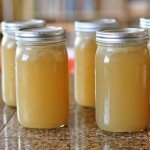
- Bone broth- made from the bones, some meat, cartilage, and connective tissue of pastured animals. The good stuff is slow cooked for 1 to 3 days. Bones and connective tissue contains a variety of powerful nutrients that become released when they are slowly simmered in water, the universal solvent. These nutrients include bone marrow which helps provide the raw materials for healthy blood cells and immune development, as well as a host of other minerals like collagen which all help with the development of healthy joints, bones, ligaments and tendons as well as hair and skin.
Milk & Dairy
- Raw or unhomogenized (vat-pasteurized) milk is the best overall quality (and the least processed).
- Avoid Ultra Pasteurized dairy (even if it’s organic); the UHT process zaps many of the micronutrients
- See Where is My Milk From? to learn the exact place where dairy products originate; enter the plant code from the carton, e.g. plant 06-93
- My go-to milk for making kefir and yogurt is whole milk from Straus Family Creamery, a northern California farm. I buy their unhomogenized, pasteurized organic whole milk. It’s typically sold in glass half-gallon bottles, but they recently introduced a plastic one-gallon container. Available at Sprouts, Barons, Whole Foods, etc.
- Clover Sonoma (Calif.)- makers of high quality dairy; I buy their whole milk and heavy cream; I find them at most Whole Foods around southern California.
- Spring Hill Cheese– (Sonoma county, California) makers of cheese and amazing butter from Jersey cows (who produce milk with the highest butterfat); available at the Hillcrest Farmers Market, Little Italy Mercato, and North Park farmers markets.
- Organic Pastures Raw Dairy– the largest raw dairy in
Californiathe world; available at Sprouts and local/regional markets and co-ops; raw cow milk, butter, cream.
Eggs
- Pastured (not pasteurized!) eggs mean the hens get to run around in the dirt and grass, taking dirt baths, and eating bugs, worms, larvae and grasses (they’re little dinosaurs!) Eggs from these ladies are usually more nutritious than “vegetarian fed” hens, and usually have a deep yellow or orange yolk indicating their omnivorous diet.
- Pastured eggs are usually not washed (meaning they might have some dirt, dried droppings or hay on them). Do not wash eggs until you are ready to use them, as they contain a helpful bloom which protects the eggs from pathogens.
- Outside the fridge, unwashed eggs will keep a month.
- DON’T BE FOOLED BY THESE WORDS! “Free-range” label is a dodgy term and generally means little; an operation be labeled free-range as long as there’s a small square of open air (10’x10′) attached to a stifling overcrowded barn (that any of the 30,000 hens inside could conceivably find and use). “Vegetarian-fed” was a reaction to some operations that were feeding chicken meat to chicken. Since chickens are little dinosaurs, their eggs are more nutritious if they feed omnivorously (i.e. graze on bugs and worms.)
- “Organic” label is also not trustworthy, because the hens may still be raised in batteries/factory farms, and are just fed organic grains
- Your neighbor who raises backyard chickens- if you’re lucky enough to live next to an urban farmer, this is probably your best bet for local, pastured chicken eggs! That is, unless you raise your own!

Fats
- Coconut oil, olive oil, and fats from pastured animals (tallow, lard); avoid any kind of oils (like canola) which are usually processed with high heat or harsh chemicals
- Organic Vegetables and Fruits, grown locally and as seasonally as possible
- AVOID SEED OILS (vegetable, cottonseed, canola, sunflower, safflower), which are highly refined, and full of unhealthy polyunsaturated fatty acids (aka PUFA or Omega-6)
- Seeds, nuts, grains, flours that have been soaked, sprouted, or fermented; soaking is a traditional method of preparation, and reduces phytates and enzyme inhibitors, both which block absorption of other minerals, and are thus called “anti-nutrients”
I’ve just skimmed the surface here; there are entire books and blogs dedicated to Real food.
San Diego, Calif. Real Food Resources
Here is the curated list of where you can find real food in San Diego county, California, courtesy of the local Weston A. Price Foundation chapters. To find a chapter near you anywhere in the world (whose chapter leader will have a similar list in your local area), please visit https://www.westonaprice.org/find-nutrient-dense-foods/.
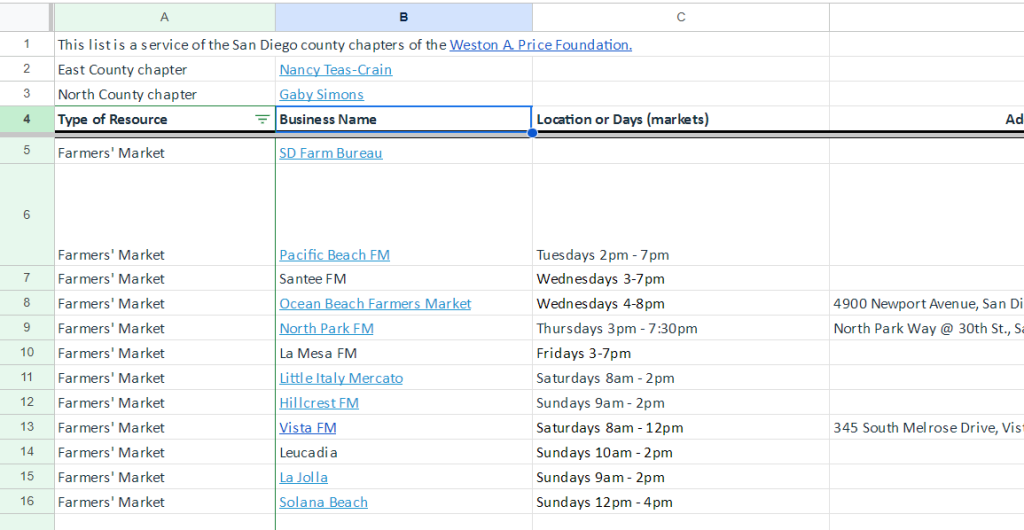
click for real food resource list for San Diego, Calif.
Additional Must-read Resources
- Weston A. Price Foundation Shopping Guide (nationwide in USA)
- Seed Oil Scout (app for vetting restaurants on whether they use clean ingredients, specifically if they exclude seed oils from their menu
- Campaign for Real Milk

Author and founder of Fermenters Club. I’ve been fermenting food for 14 years.
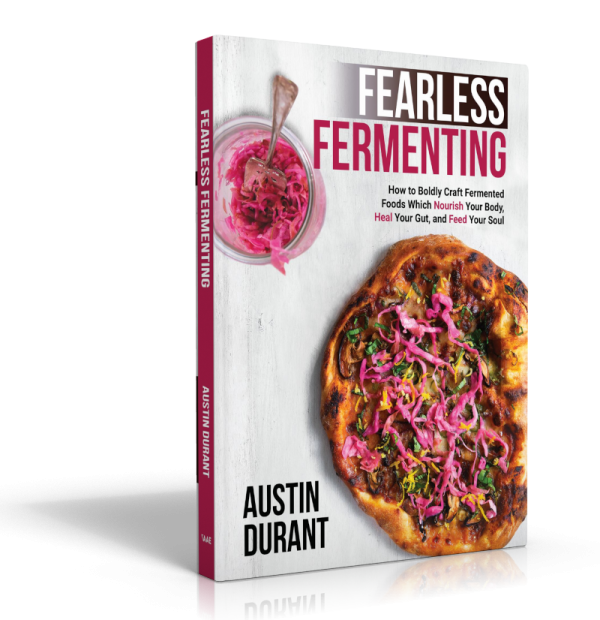
In 2024, I published my first book, Fearless Fermenting.
When not stuffing things into jars, I enjoy permaculture gardening, cooking, yoga, writing, and studying cosmology and esoteric traditions.
There is nothing better then growing your own backyard vegetables for locally grown. It takes very little space, a reasonable investment in time, and we have wonderful weather that allows for year around seasonal produce of one type or another.