
Brand new to fermentation? Here’s a good place to start.
Equipment
- Crocks and Mason Jars: Glass or ceramic containers, ranging from pint-sized mason jars, to one-gallon-glass pickle jars or 2-3 gallon or larger ceramic or glass crocks. Food-grade plastic containers are okay, too, for large batches.
- Weights: Find a heavy, waterproof object (like a lid or plate) that fits inside the opening of the container. This weight will act to keep the food submerged under the brine. Sanitized rocks, glass jars filled with water, or zip-top bags filled with water work well. It’s Fine Under the Brine!
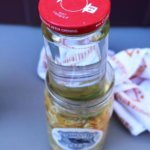
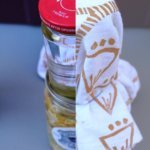
- Covers: Tea towels or swatches of cloth and rubber bands and/or twist ties should be used to secure your ferments so gas can escape without bugs and dust landing on and in your containers. Here’s a low-tech setup using a jar filled with water:

weight to keep veggies submerged cloth over jar with rubber band or twist ties cut-away view of jar with cloth

- Small Batch Fermentation Kits: If you’re ready to step up your game, there are some pro-tools out there to make fermenting almost hassle-free! They provide a weight and a clever way to cover the fermenting vessel and reduce maintenance.
-
Sale!
![Masontops® Acacia Packer & Airlocks Combo Set [WIDE MOUTH]](data:image/svg+xml;base64,PHN2ZyB4bWxucz0iaHR0cDovL3d3dy53My5vcmcvMjAwMC9zdmciIHdpZHRoPSIzMDAiIGhlaWdodD0iMzAwIiB2aWV3Qm94PSIwIDAgMzAwIDMwMCI+PHJlY3Qgd2lkdGg9IjEwMCUiIGhlaWdodD0iMTAwJSIgc3R5bGU9ImZpbGw6I2NmZDRkYjtmaWxsLW9wYWNpdHk6IDAuMTsiLz48L3N2Zz4=)
Masontops® Acacia Packer & Airlocks Combo Set [WIDE MOUTH]
Original price was: $43.98.$39.95Current price is: $39.95. Add to cart -
Sale!
Masontops® Glass Fermentation Weights [WIDE MOUTH]
Price range: $23.99 through $45.99 Select options This product has multiple variants. The options may be chosen on the product page -
Sale!
Masontops® Glass Weights & Airlocks Combo Set [WIDE MOUTH]
Original price was: $43.98.$39.95Current price is: $39.95. Add to cart
-
Sale!
- Digital Kitchen Scale: Inexpensive and invaluable! Many fermented recipes are better measured by weight, so a lightweight portable scale is essential!
![Masontops® Acacia Packer & Airlocks Combo Set [WIDE MOUTH]](https://fermentersclub.com/wp-content/uploads/2023/08/pipe-plus-packer-300x300.png)
![Masontops® Glass Fermentation Weights [WIDE MOUTH]](https://fermentersclub.com/wp-content/uploads/2016/02/widemouth-pebble-box-300x300.png)
![Masontops® Glass Weights & Airlocks Combo Set [WIDE MOUTH]](https://fermentersclub.com/wp-content/uploads/2016/05/pebbles-plus-pipes-300x300.png)
Ingredients
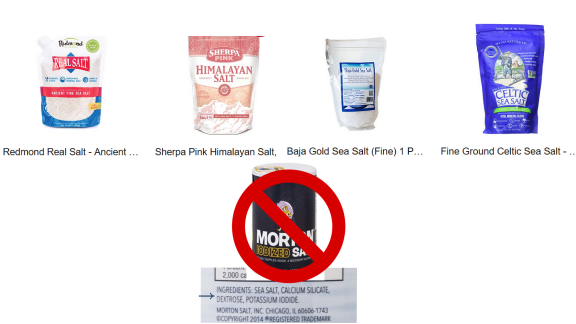
- Sea salt. Fermented vegetable recipes require salt, which acts as a microbial inhibitor, regulating which microbes are allowed in and which are not. It’s best to use unrefined salts like sea salt; also mineral-rich brands like Celtic, Himalayan, etc. work well. Avoid iodized table salt– it contains iodine and/or anti-caking agents, both which can inhibit fermentation.

- Water. Find a high quality water source. Most municipal water sources have residual disinfectants (chlorine or chloramines) even when they come out of your tap, so it’s best to filter it somehow. There are many different filtering technologies out there, everything from reverse-osmosis (RO) systems, to simple charcoal filters (e.g. “Brita” pitchers).
- Vegetables. Whenever possible, find ingredients that are:
- Seasonal- In-season produce is cheaper and more abundant, and it’s in keeping with traditional food-making wisdom
- Organic- tastes better and studies have shown that it contains more nutrients; pesticides (which are more commonly found on conventionally grown produce) can inhibit the growth of good bacteria and yeasts
- Local- locally grown ingredients taste better, and are picked closer to their most ripe; it also helps the wild bacteria and yeasts get a leg up (since they’re already used to the local conditions)
Recipes for Beginners
If you’re brand-spanking new to the whole fermenting thing, congratulations, and welcome to the club! Here are some simple “wild fermented” recipes to get you going. They don’t require a starter culture.
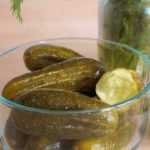
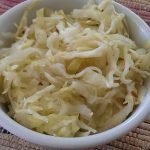
For further learning
Sign up for our Newsletter
Self-Paced Courses (through Fermenters Club Academy)
Books:

Buenas Dias from Baja California! I retired down here because of the easy life style that is Mexico. I subscribe to Sunset Magazine and was very excited to see your article. One great feature of Mexico marketplaces, there are now many organic farmers. Baby boomers are settling in Baja, and wines, cheeses, olive oils and herbs are becoming quite popular. I’m ready to get started… you should see all the cabbages, variaties of chiles, onions, and other vegetables I get to choose from. It’s exciting! Baja Barb
¡Hola Barb y muchas gracias!
Is that an invitation? 🙂 We’d love to road trip down to Baja to check it out. Seriously, we’re just up the road!
Hi Becky,
We’ll keep an eye and ear open for locating other south Florida/Keys fermenters. Thank you!
You are now famous! Saw you in the latest addition of Sunset. I’ve been fermenting for about two years but use whey. Have you tried whey and if so, do you see any difference than just salt alone? I’ve done several demos for my local WAPF chapter, one on beet kvass and the other on lacto-feremented mayo and ketchup. I will explore your site more and give some thought to starting a club here.
Hi Mikki,
Thanks for looking us up online! I have used whey to start a veggie ferment, but frankly have not personally found any difference in quality versus a purely “wild” ferment. If you have salt concerns, I think using whey allows you to not have to use as much salt. I know folks who swear by it, though.
We’d love to see you start a club in your area, especially with your demo experience.
Thank you!